 Business License

Is pyrolysis the same as cracking?
Pyrolysis and cracking are related processes, but they are not exactly the same. Here's a comparison:
Similarities
Decomposition nature: Both pyrolysis and cracking involve the decomposition of larger organic molecules into smaller ones. They are both thermochemical processes that occur under high - temperature conditions and in the absence or limited presence of oxygen.
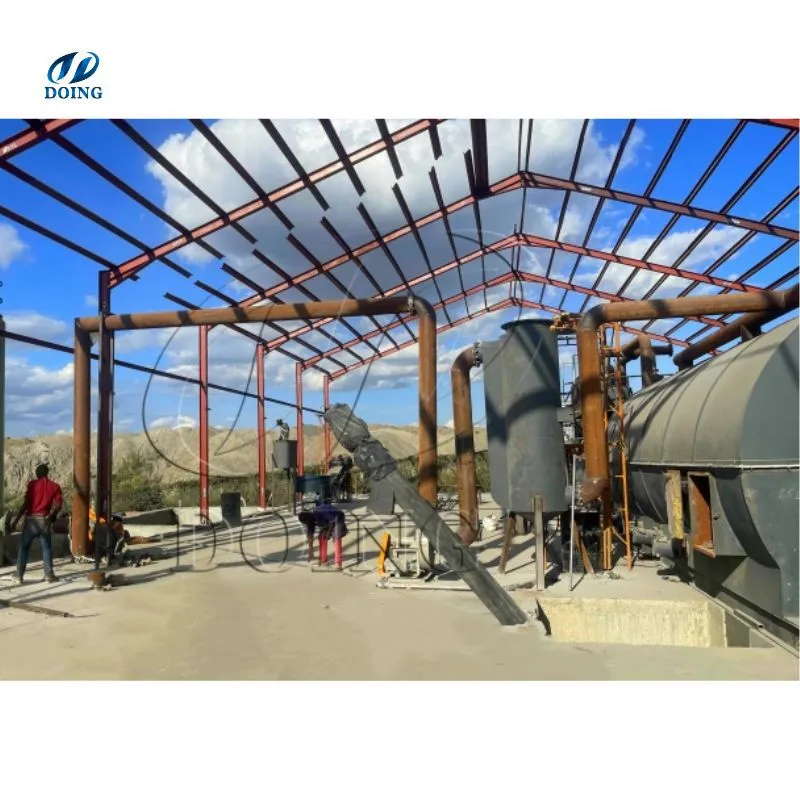
Application in the petroleum industry: Both are used in the petroleum industry to convert heavy hydrocarbons into more valuable lighter products. For example, in an oil refinery, cracking is used to break down heavy crude oil fractions into gasoline, diesel, and other useful fuels. Pyrolysis can also be applied to convert biomass or plastic waste into valuable fuels and chemicals.
Differences
Feedstock and products: Pyrolysis is a more general term that can be applied to a wide variety of organic materials, including biomass, plastics, and coal. The products of pyrolysis can include gases (such as methane, ethylene, and hydrogen), liquids (such as bio - oil or pyrolysis oil), and solids (such as char or coke). Cracking, on the other hand, is more commonly associated with the petroleum industry and is specifically used to break down large hydrocarbon molecules in crude oil or petroleum fractions. The main products of cracking are lighter hydrocarbons, such as gasoline - range hydrocarbons, olefins (used in the production of plastics), and other petrochemical feedstocks.
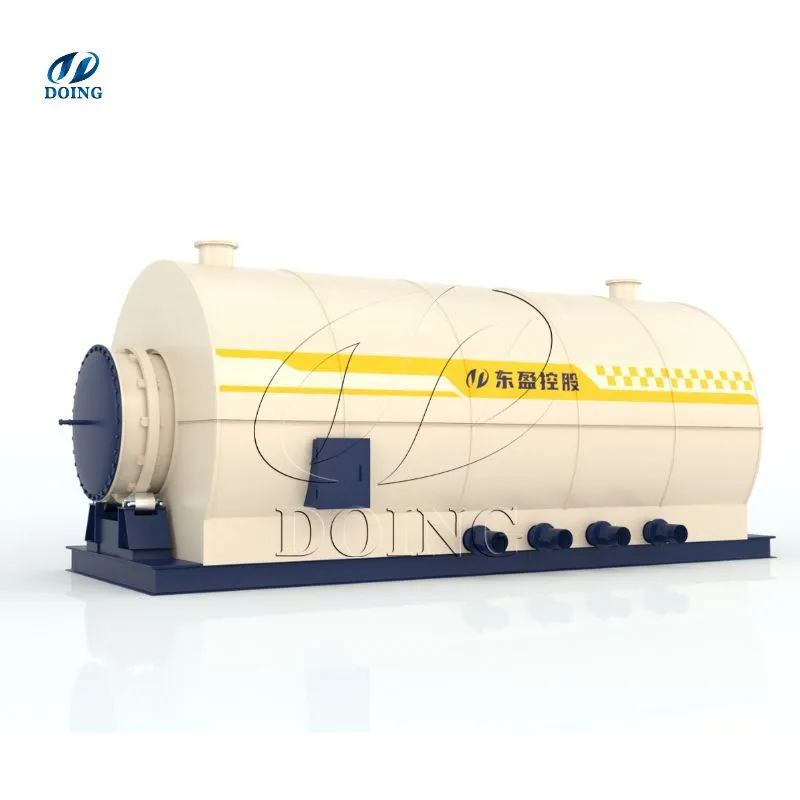
Reaction conditions: Pyrolysis can occur over a wide range of temperatures and heating rates, depending on the feedstock and the desired products. In some cases, pyrolysis may be carried out at relatively low temperatures (around 300 - 500°C) for slow pyrolysis or at higher temperatures (above 700°C) for fast pyrolysis. Cracking, especially in the context of the petroleum industry, often involves specific temperature and pressure ranges. Catalytic cracking, which is commonly used in refineries, typically operates at temperatures around 450 - 550°C and moderate pressures. Thermal cracking, which is a non - catalytic process, may require higher temperatures (up to 700 - 900°C) and higher pressures.
Use of catalysts: Cracking often involves the use of catalysts to increase the reaction rate and selectivity towards specific products. Catalytic cracking is a widely used process in the petroleum industry to produce high - quality gasoline and other valuable products. In contrast, pyrolysis can be carried out with or without catalysts. Non - catalytic pyrolysis is common for some applications, such as the pyrolysis of biomass to produce bio - oil. However, in some cases, catalysts may be added to the pyrolysis process to modify the product distribution or improve the quality of the products.
In summary, while pyrolysis and cracking share some similarities in terms of the decomposition of organic molecules, they differ in terms of feedstocks, products, reaction conditions, and the use of catalysts.
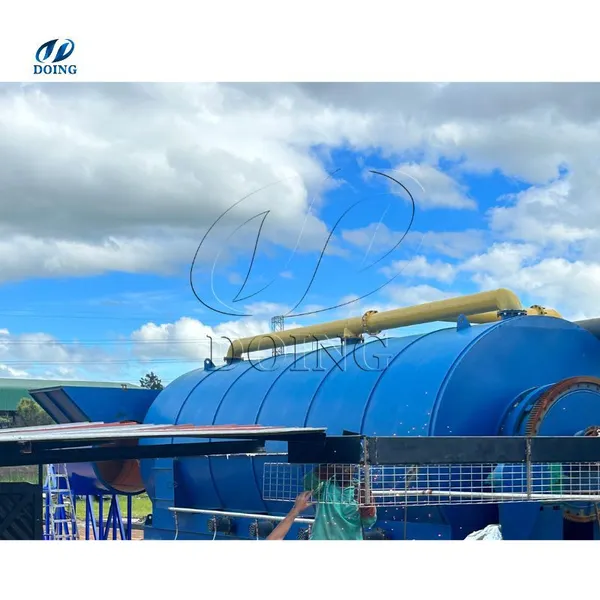
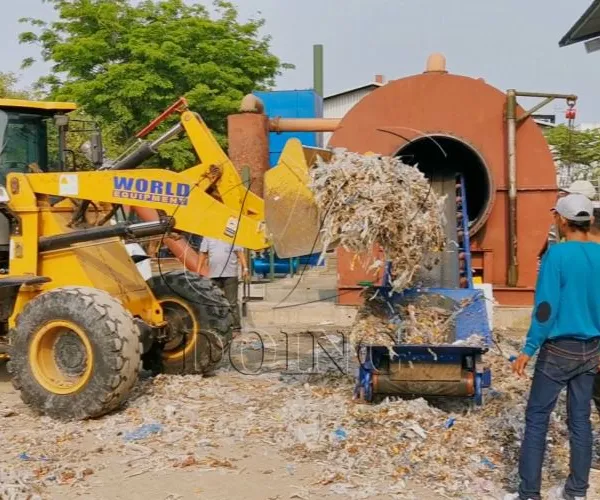
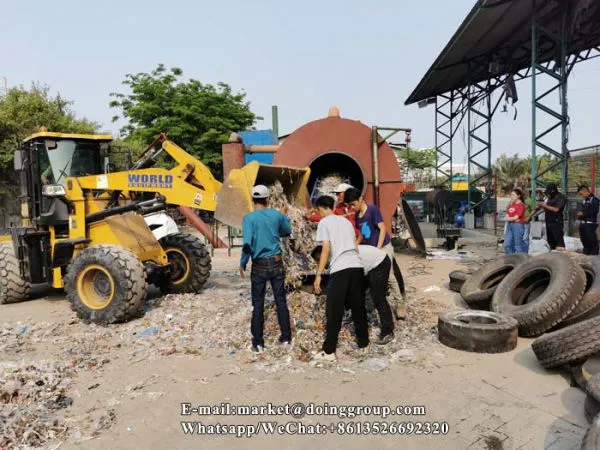
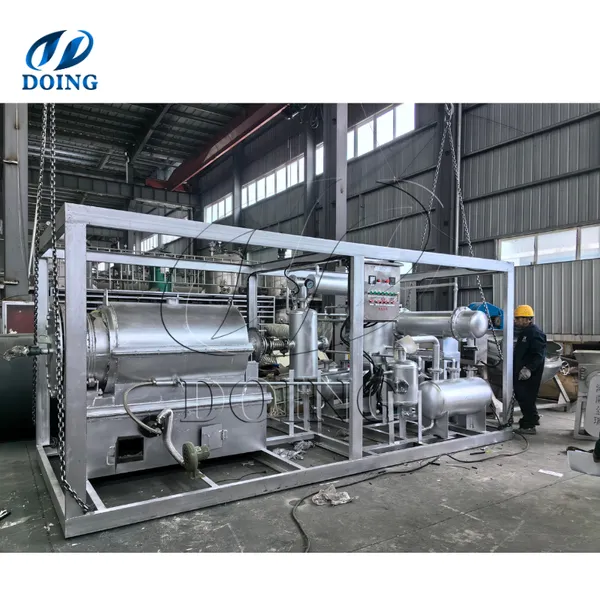
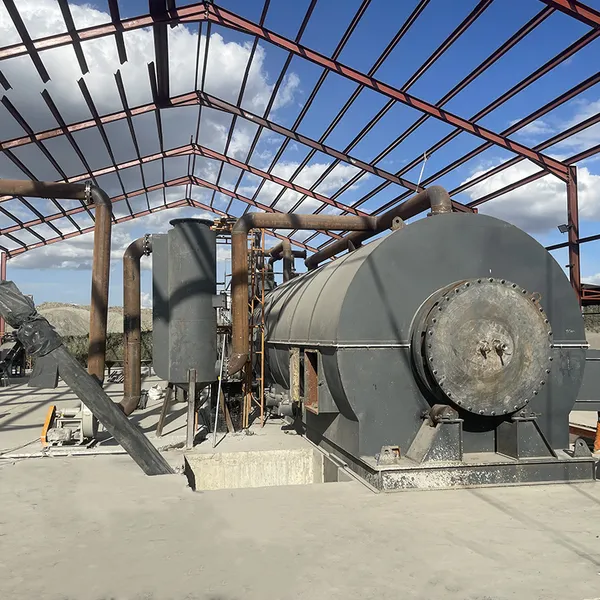
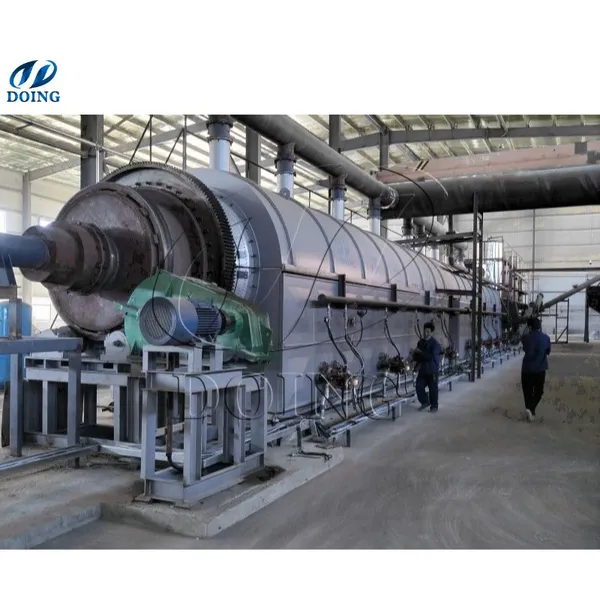
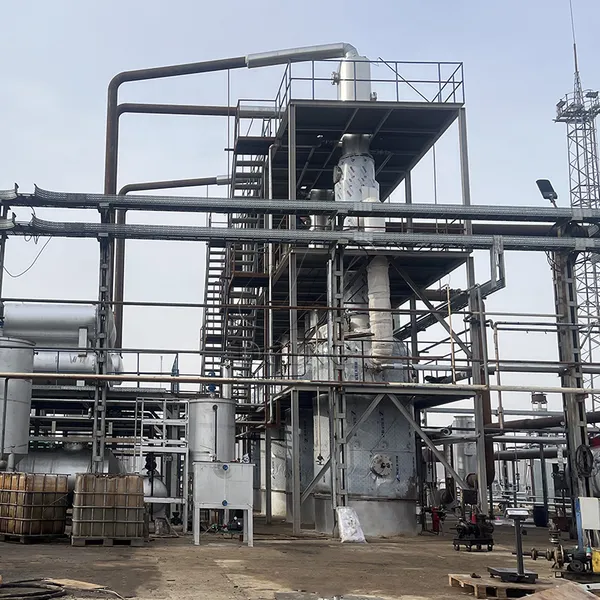
DOING provide three types of pyrolysis machine to recycle waste tyre, plastic, oil sludge to fuel oil, carbon black. If you are interested in it, welcome to contact us.
Recently Posted
-
How to Choosing the Right Material for Your Pyrolysis machine?
August 4, 2026The material used for a pyrolysis machine is a crucial factor in determining its performance, safety, and how long it will la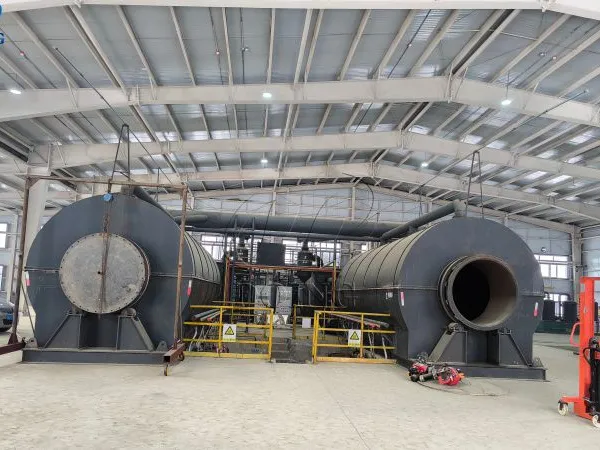 Read More
 -
How Does a Waste Oil Refinery Operate and What Are Its Benefits?
July 28, 2026Waste oil refinery is pivotal in recycling and distillation waste oil. They can convert waste oil, crude oil, and e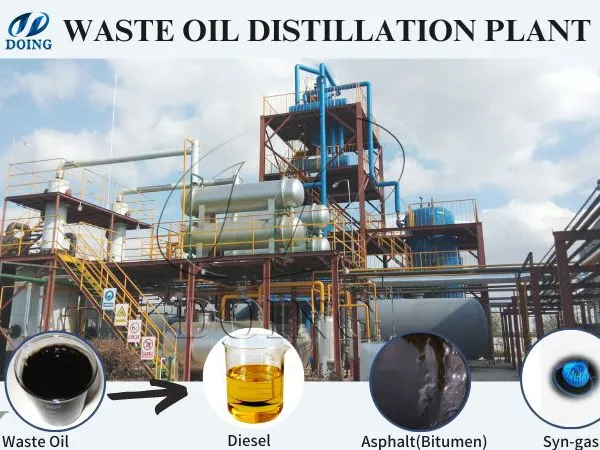 Read More
 -
Is pyrolysis machine eco-friendly?
July 22, 2026Is pyrolysis machine eco-friendly? This is a question that many people ask when considering waste management solutions. The answer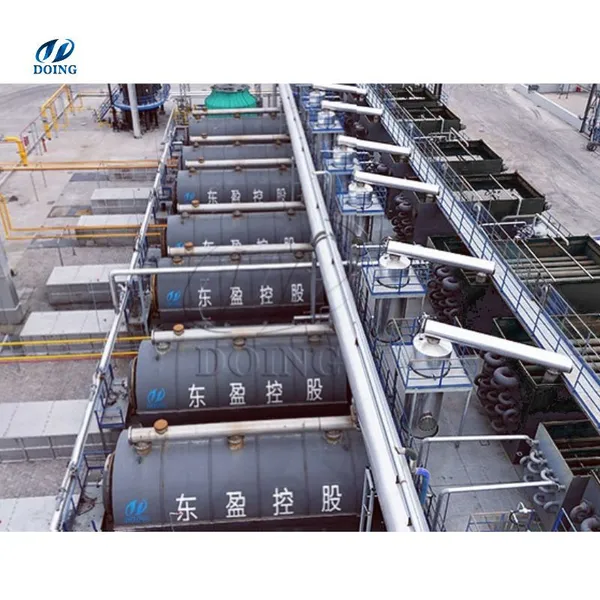 Read More
 -
Is Pyrolysis machine, which converts waste plastic to oil, a successful business?
July 13, 2026In the era of increasing environmental consciousness and the global push towards sustainability, finding innovative solutions for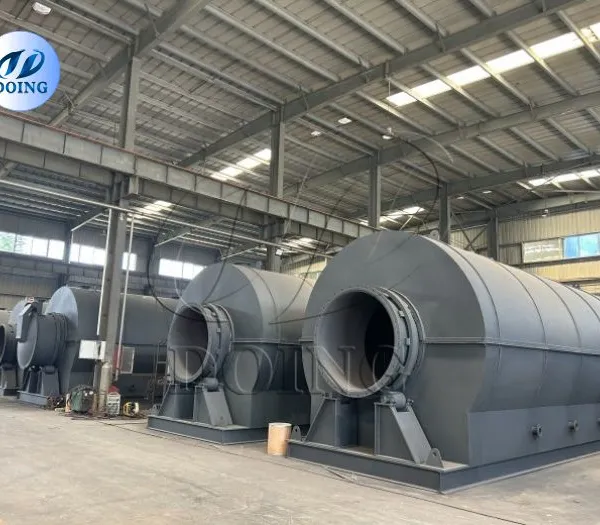 Read More

Contact Us
Recommended Products
-
 BIG Processing Capacity Fully Automatic Waste Tire Plastic Pyrolysis Machine Waste Tyre Recycling PlantUS$ 300000 - 600000MOQ: 1 Set
 -
DOING 2026 Waste Plastic to Diesel Recycling Plant Waste Plastic Pyrolysis Plant and Waste Oil Distillation MachineUS$ 38000 - 88000MOQ: 1 Set
-
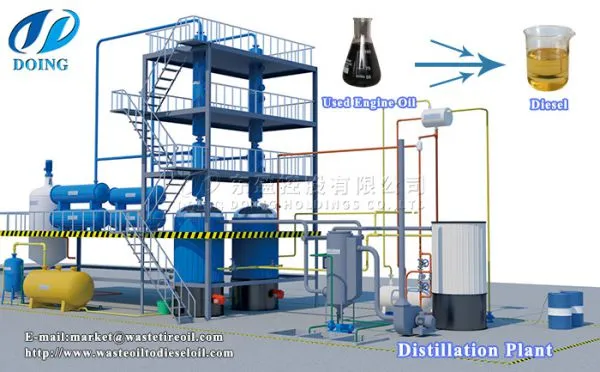
Overall Services Waste Motor Engine Oil to Diesel Distillation Machine Waste Oil Distillation PlantUS$ 56000 - 105000MOQ: 1 Set
-
Latest Technology Waste Tire Plastic to Fuel Oil Pyrolysis Machine Continuous Plastic Pyrolysis Plant for SaleNegotiableMOQ: 1 Set
-
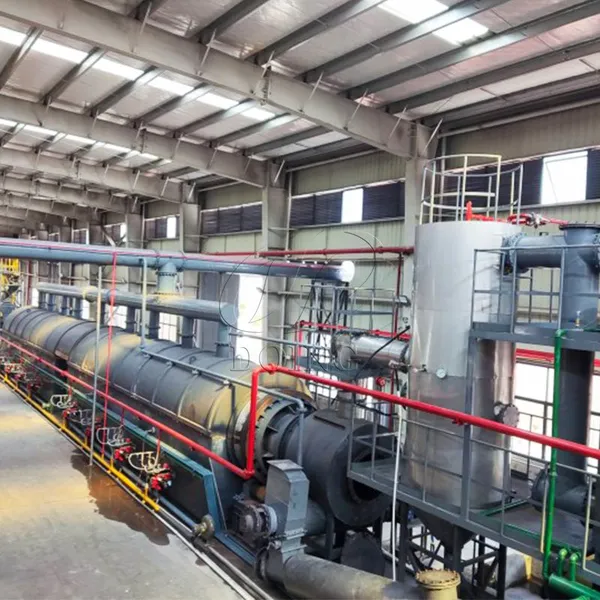
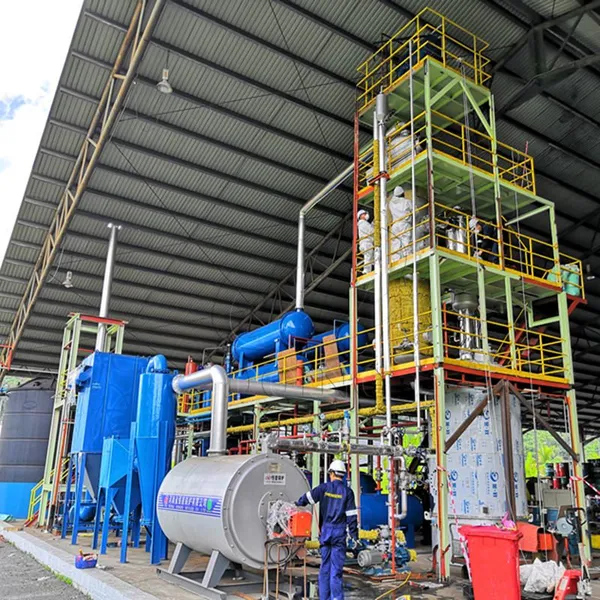
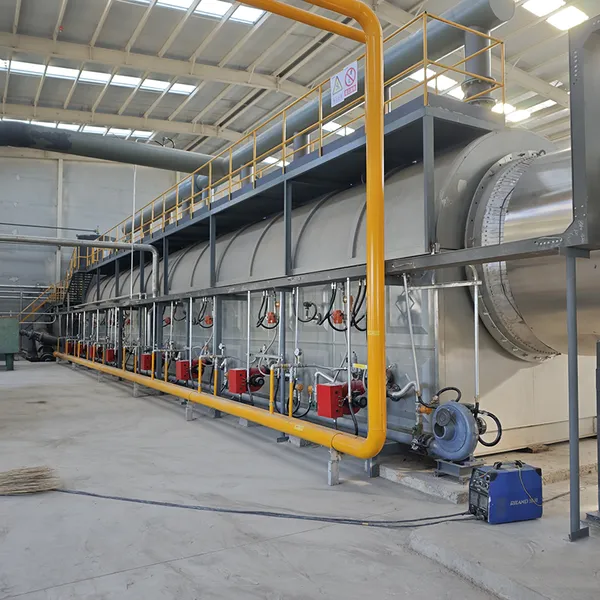
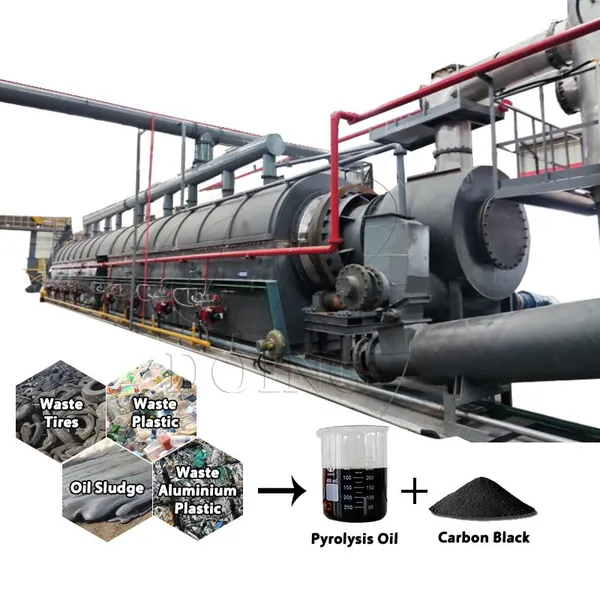
Fully Automatic Waste Tire Plastic Pyrolysis Plant Continuous Tyre To Fuel Oil Recycling PlantUS$ 300000 - 500000MOQ: 1 Set
-
Mini Scale Waste Tire Plastic Pyrolysis Machine Skid-mounted Tyre Plastic Recycling PlantUS$ 28000 - 58000MOQ: 1 Set
-
High Recover Rate Waste Oil/crude Oil/pyrolysis Oil to Diesel Distillation Machine for BusinessUS$ 56000 - 65000MOQ: 1 Set
-
Environmentally Friendly Waste Plastic to Fuel Oil Pyrolysis MachineUS$ 28000 - 98000MOQ: 1 Set
-
Large Capacity 50TPD Fully Automatic Continuous Waste Tire Plastic Pyrolysis Machine With CE CertificateUS$ 78000 - 208000MOQ: 1 Set
-
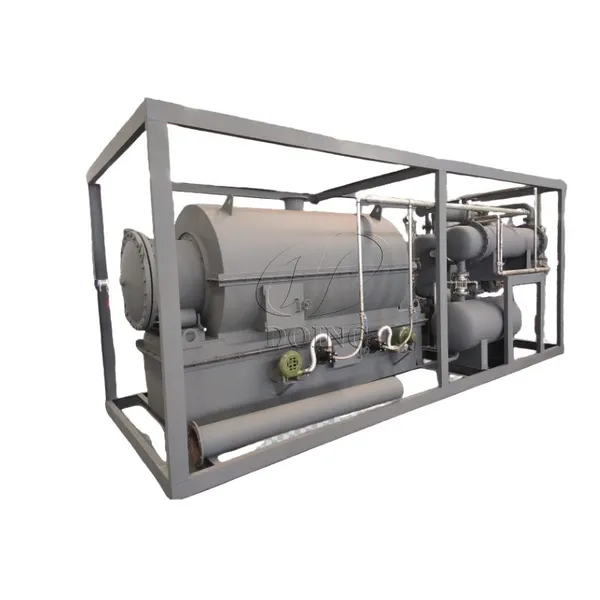
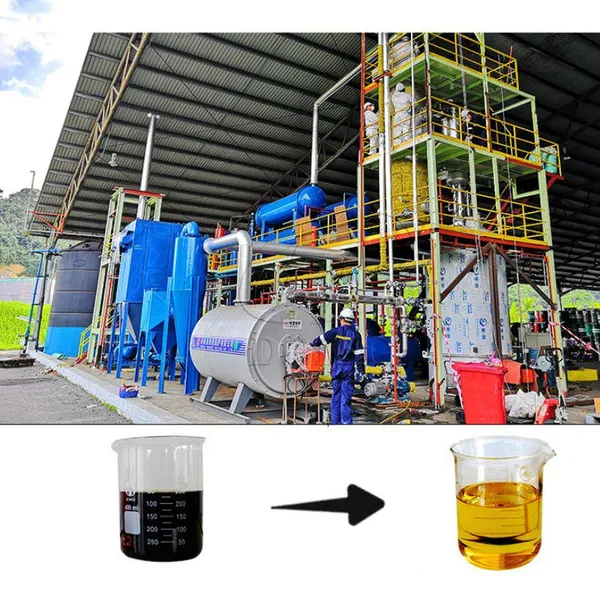
Advanced Technology Waste Engine Oil Recycling Diesel Oil Distillation Machine 80%-85% Diesel Rate Vertical Reactor Design PLCUS$ 56000 - 65000MOQ: 1 Set
-
DOING Company Environmental Friendly 100kg-50T/Day Waste Tyre to Fuel Oil Pyrolysis PlantUS$ 25000 - 500000MOQ: 1 Set
-
Very Popular With Our Customers Waste Oil Recycling to Diesel Distillation MachineUS$ 56000 - 65000MOQ: 1 Set
-
Sold to Spain High Quality and Environmental Protection Waste Tire Recycling to Oil MachineUS$ 20000 - 76000MOQ: 1 Set
-
Professional Manufacturer to Make Pyrolysis Equipment for Oil Recycling From Waste TiresUS$ 20000 - 76000MOQ: 1 Set
-
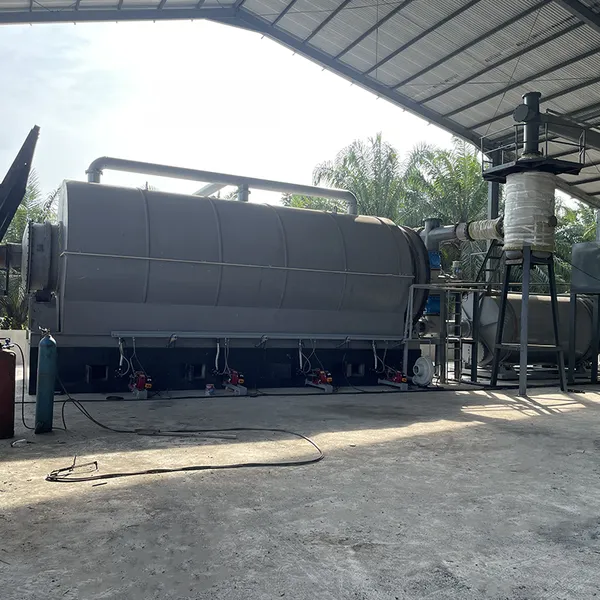
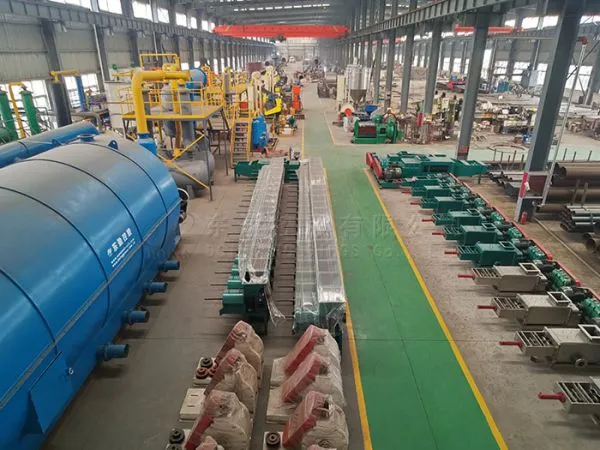
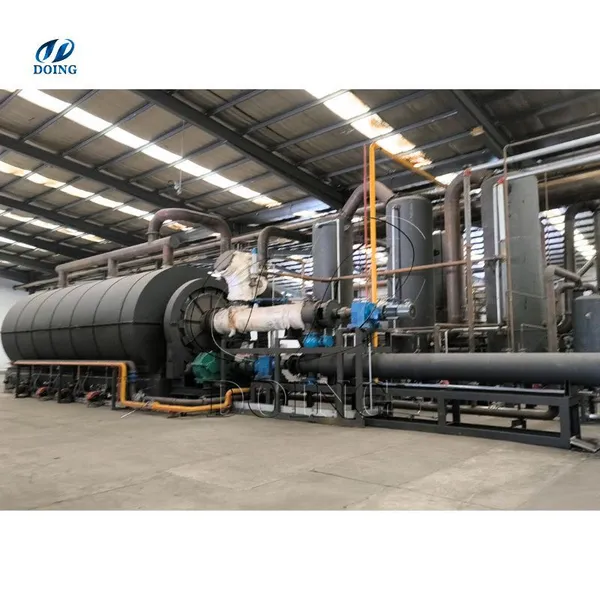
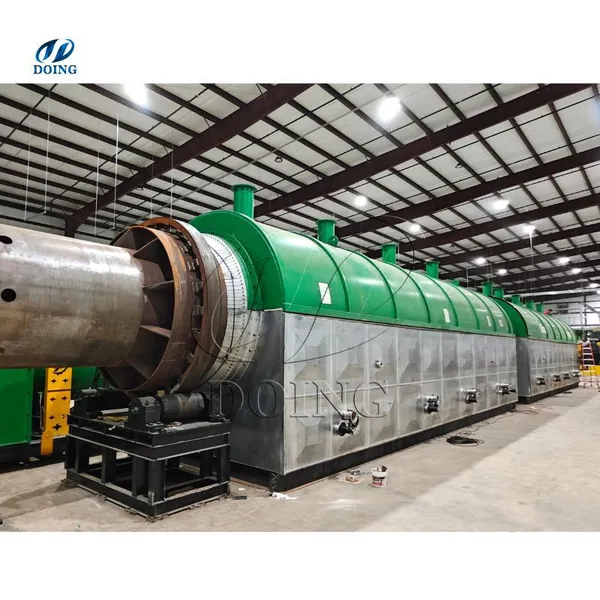
Factory Price Full Automatic 10-15 Tons PLC System Used Tire Rubber Pyrolysis Plant for Waste Plastic Recycling Fuel PlantUS$ 50000 - 70000MOQ: 1 Set
-
Fully Automatic Tire to Fuel Plant Plastic Recycling Pyrolysis to Fuel Machine Rubber Pyrolysis MachineryUS$ 50000 - 70000MOQ: 1 Set
-
Newly Technology Used Tyre to to Fuel Oil Machine Waste Plastic Continuous Pyrolysis PlantUS$ 50000 - 70000MOQ: 1 Set
-
Waste Plastic to Fuel Oil Pyrolysis Machine, Waste Plastic Recycling Pyrolysis Plant, Customized Pyrolysis PlantUS$ 20000 - 30000MOQ: 1 Set
-
EU Certified 50ton Per Day Waste Tire and Plastic Pyrolysis Plant Oil Pyrolysis Machine for Rubber ProcessingUS$ 50000 - 70000MOQ: 1 Set
-
Eco-friendly High-Eff Reliable Refining Equipment Mobile Pyrolysis Waste Tire Oil Oil Recycling MachineUS$ 50000 - 70000MOQ: 1 Set